

What is SATS and what do we do?

Mission

The Santander Atlantic Time Series (SATS) ocean observatory aims to deliver a comprehensive understanding of how the ocean system behaves and interacts with the atmosphere and climate in a representative mid-latitude region of the Northeast Atlantic.

To provide high-quality, long-term reference data that capture trends and baselines in regional climate and oceanography. To serve as a proof-of-concept platform demonstrating how sustained ocean observations can yield deeper insights into key processes on a global scale.

At SATS, we believe in open science. All our long-term reference datasets are freely accessible to anyone with an internet connection. We actively encourage the use of our data, code, products, and resources, and we welcome collaboration from the global research community.

Explore our site to learn more about our work, data, and ongoing research — and feel free to contact us for more information or partnership opportunities.

Milestones

1990

First sampling of the Santander standard section stations, using oceanographic bottles and thermometers

Marking the beginning of systematic ocean observations in the region.
1991

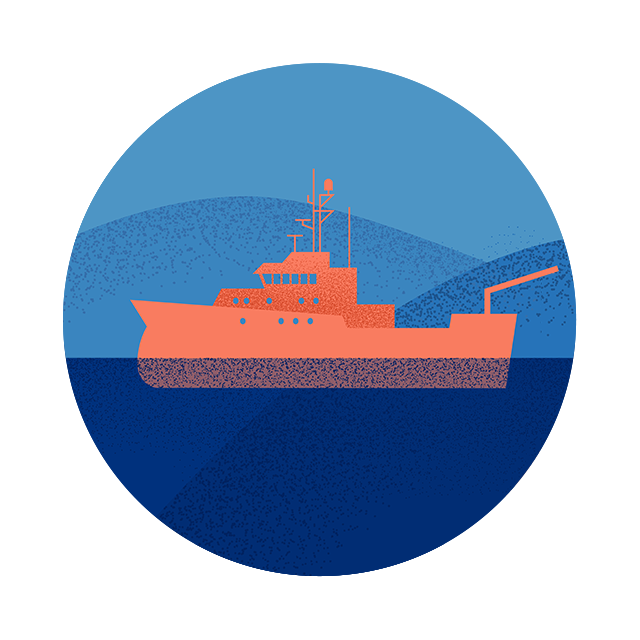
Launch of the Radiales del Cantabrian oceanographic cruises (RADCAN)

Expanding ocean monitoring efforts along the northern coast of Spain.
1994

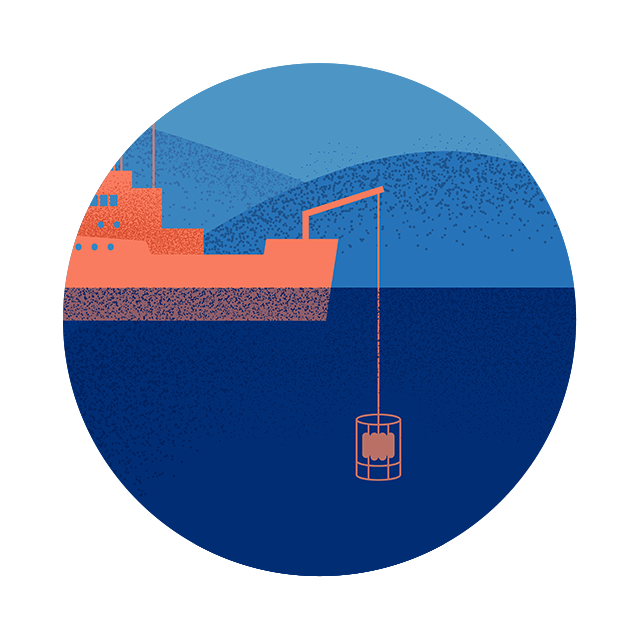
Start of regular sampling at the Santander standard section Deep Station (SATS)

Establishing the foundation for what would become the SATS oceanographic observatory.
2007

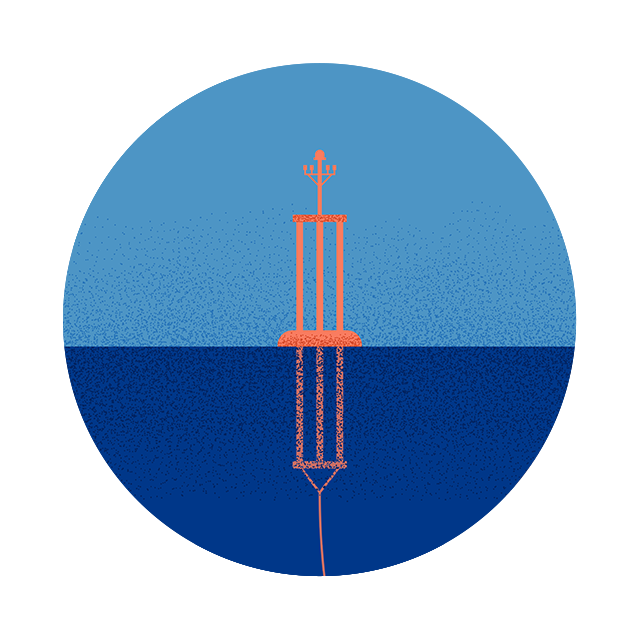
Deployment of the Augusto González de Linares (AGL) buoy

Enhancing continuous ocean-atmosphere monitoring capabilities.
2024

Incorporation of SeaExplorer Gliders into the SATS instrument network

A new era of autonomous, high-resolution ocean observation.
Team

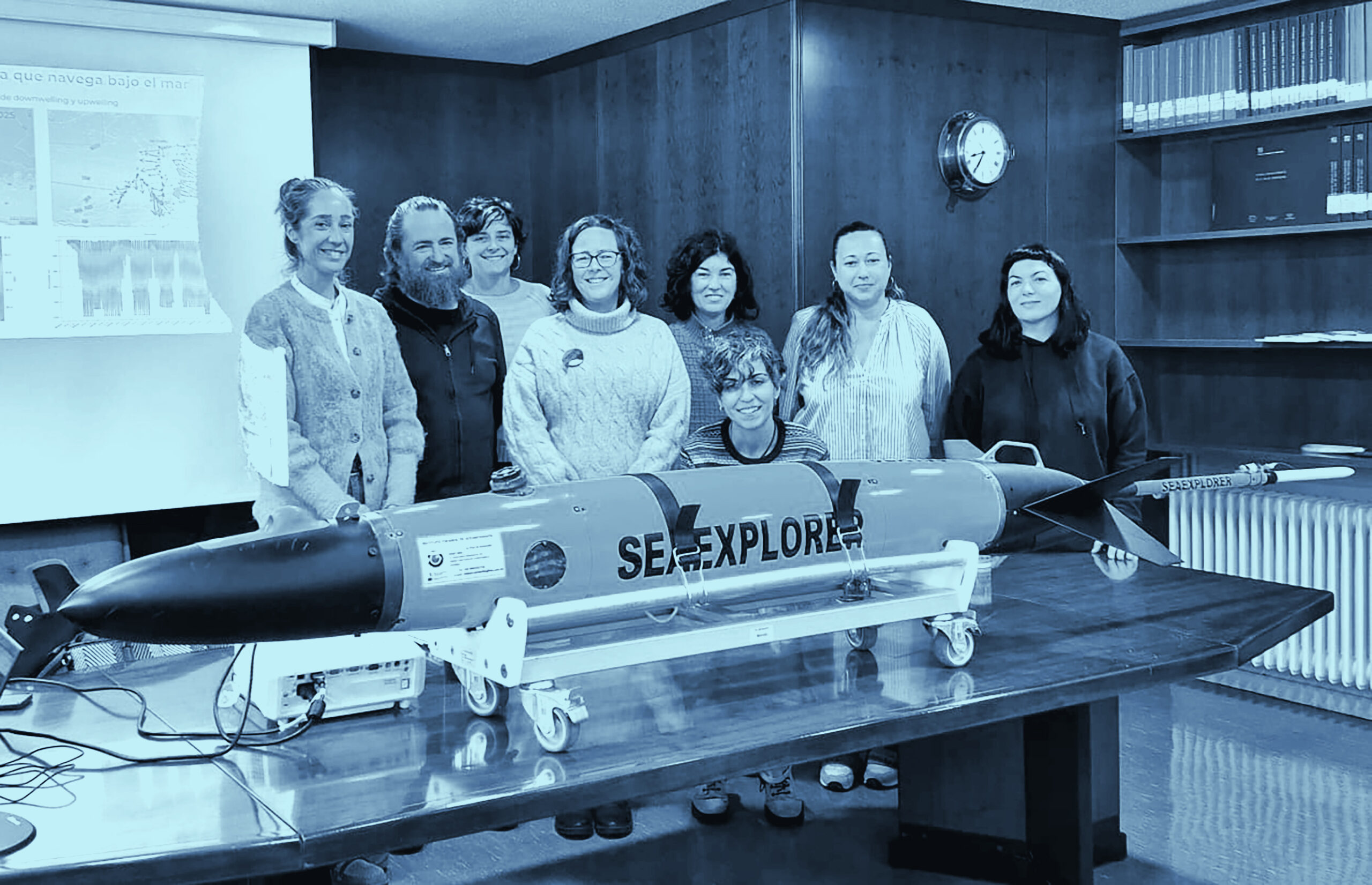
At SATS, we are a multidisciplinary team of nine people united by our passion for the ocean. We operate an ocean observing system in the Bay of Biscay, providing open and unrestricted access to metocean data and products for the scientific, educational, and public administration communities. We also contribute internationally to the design of a more efficient and sustainable ocean observing system, delivering more and higher-quality data on the marine environment.

Raquel Somavilla Cabrillo

Elena Marcos Alonso

Determinaciones analíticas / Logística

Amaia Viloria Reparaz

Oceanografía / Procesado / Determinaciones analíticas

Pablo Aguirre Ayerbe

Oceanografía / Instrumentación / Electrónica

Elisabet Frande Cabanes

Oceanografía / Ayuda coordinación

Andrea García Regalado

Oceanografía / Desarrollo de productos

Laura Ibáñez Tejero

Oceanografía / Data Management

Izaskun Merino Sainz

Oceanografía / Procesos biogeoquímicos

Ignasi Vallés Casanova

Oceanografía / Evaluación modelos climáticos

Contact

For general inquiries, data access requests, or collaboration opportunities, please get in touch with the SATS team. We welcome collaboration with researchers, institutions, and stakeholders interested in ocean observation and climate studies.

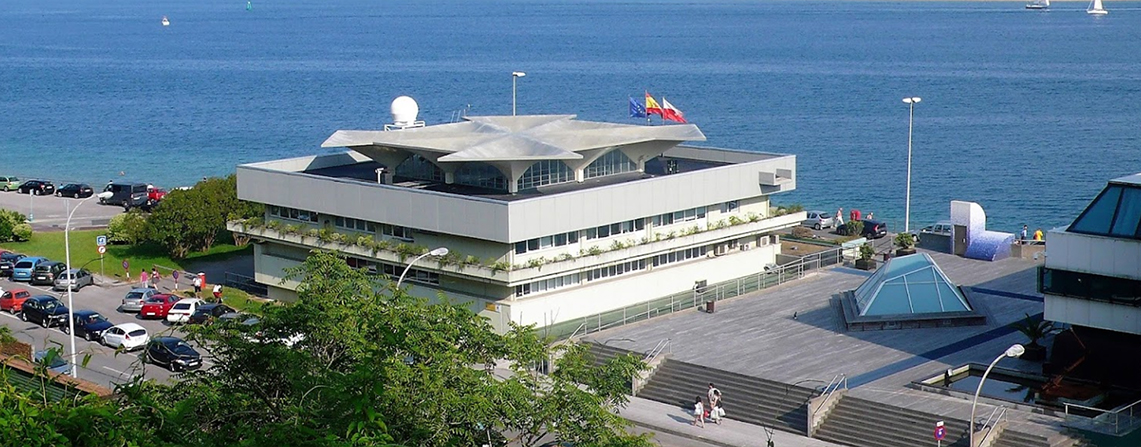
Centro Oceanográfico de Santander (COST-IEO), CSIC

Avda. Severiano Ballesteros 16
39004 Santander, Cantabria
España

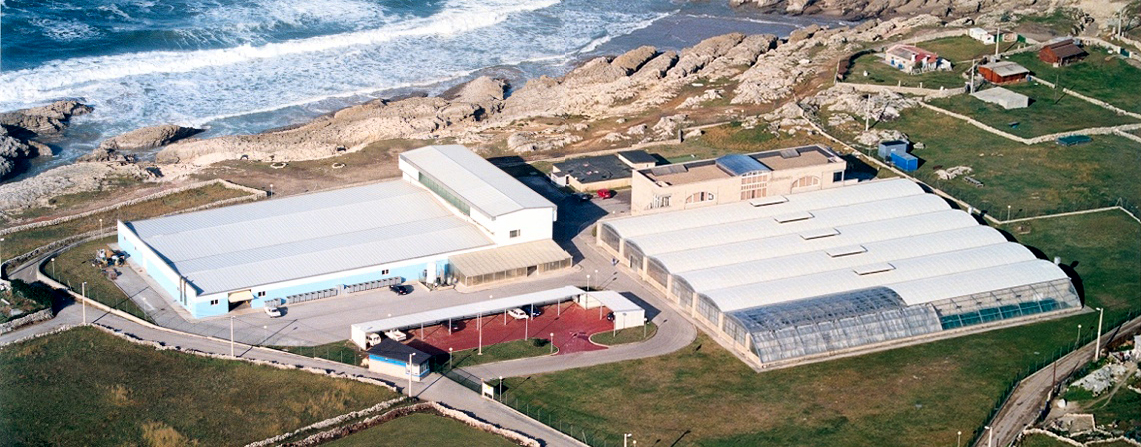
Planta de Cultivos Marinos El Bocal (COST-IEO), CSIC

Barrio Corbanera s/n
39012 Monte, Cantabria
España